Reasons of Unequal Concrete Surfaces
Concrete is renowned for its toughness, numerous factors can lead to unequal surface areas over time. One primary cause is dirt motion, which might result from fluctuations in wetness degrees or poor compaction throughout setup. As the ground changes, it can create spaces below the concrete, bring about resolving. Furthermore, freeze-thaw cycles can intensify this issue, as water caught within fractures expands when iced up, creating more surface area interruption - Concrete Leveling Des Moines. Hefty lots and resonances from lorries or machinery can also contribute to surface irregularities. Additionally, inappropriate drainage can result in water pooling and disintegration, undermining the concrete's integrity. Eventually, understanding these causes is essential for house owners aiming to preserve their concrete surface areas and guarantee long-lasting security
Indicators That Your Concrete Demands Leveling

Various Techniques of Concrete Leveling
Concrete leveling can be accomplished through numerous methods, each with its very own advantages. Mudjacking and polyjacking are two prominent methods that vary in their products and application processes. In addition, self-leveling substances use a straightforward option for small imperfections in concrete surfaces.
Polyjacking vs. mudjacking
Often, home owners deal with the difficulty of irregular concrete surfaces, triggering them to consider efficient leveling approaches. Two prominent methods are polyjacking and mudjacking. Mudjacking involves infusing a cement-based combination under the piece to increase it, making it a time-tested, economical solution. It can be hefty and might take longer to dry. Conversely, polyjacking makes use of polyurethane foam, which is lighter and expands upon shot, offering a more efficient lift. This method remedies swiftly, reducing downtime and disruption. While mudjacking might be ideal for bigger jobs, polyjacking is usually favored for its rate and minimized weight. Ultimately, the option between these approaches relies on specific project requirements, budget plan considerations, and the wanted longevity of the fixing.
Self-Leveling Substances Clarified
A range of self-leveling substances are readily available to address irregular concrete surface areas, supplying home owners with efficient options for achieving a smooth coating. These substances are usually made from a mixture of cement, polymers, and aggregates, permitting very easy application and rapid curing. When poured onto the surface area, they flow and clear up right into low spots, developing a degree aircraft.
Self-leveling compounds can be classified into two main kinds: cementitious and gypsum-based (Concrete Leveling). Cementitious substances are excellent for outside applications and rush hour areas, while gypsum-based alternatives appropriate for interior usage and provide a faster setting time. Property owners can select the suitable compound based upon their specific requirements and the problems of the job, guaranteeing a flawless and sturdy finish
Products Used in Concrete Leveling
Efficient concrete leveling counts on a selection of customized materials designed to boost stability and durability. Amongst these, self-leveling substances are frequently used, providing a smooth surface by filling up reduced spots and producing an even finish. Additionally, polymer-modified mortars provide boosted attachment and adaptability, making them suitable for different substratums. Foam and mud jacking products, such as polyurethane, are typically utilized for elevating settled concrete pieces, guaranteeing resilient support. Moreover, fracture fillers and sealers play a vital duty in dealing with surface flaws and stopping future damages. Reinforcements like steel rebar or wire mesh can be integrated to strengthen structural stability. Together, these materials add to effective and efficient concrete leveling solutions.
DIY Concrete Leveling: Step-by-Step Overview
In the domain of DIY concrete leveling, understanding the necessary tools is important for a successful job. The procedure includes a clear step-by-step application that guarantees a smooth and also surface area. This guide will certainly lay out both the essential tools and the organized approach required for reliable concrete leveling.
Tools Needed for Leveling
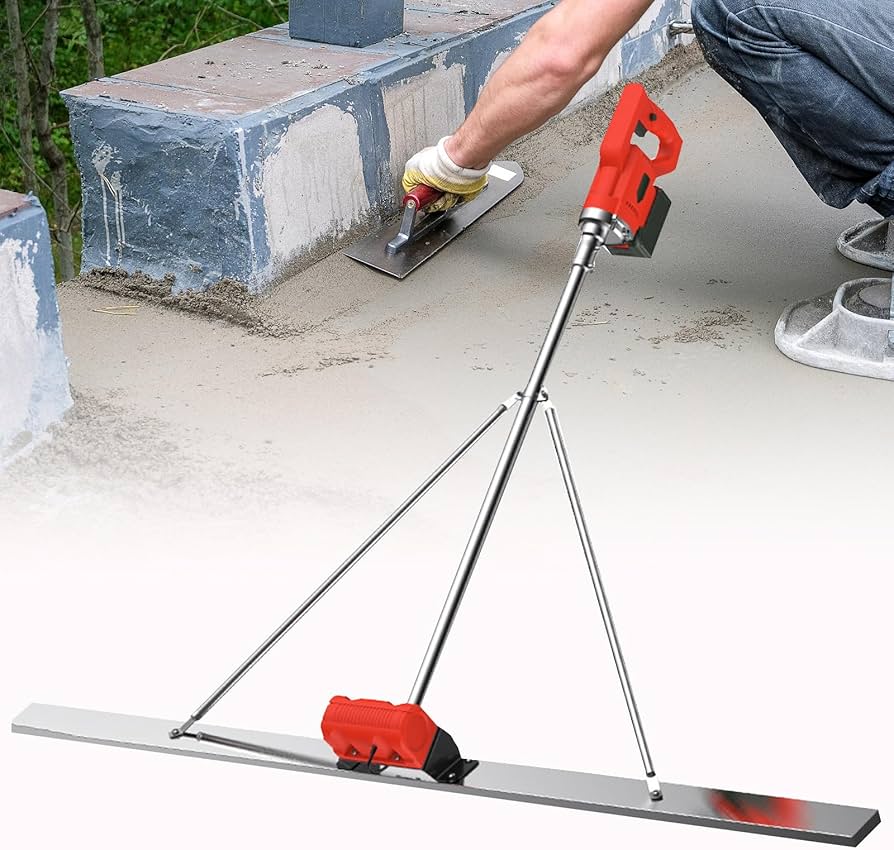
When carrying out concrete leveling, having the right tools is important for attaining a smooth and even surface area. Secret devices include a concrete mixer, which assures correct blending of leveling compound, and a trowel for spreading it equally. A degree is essential to evaluate the surface's flatness, while a straightedge helps recognize low and high places. Furthermore, a squeegee can help in spreading out the blend in bigger areas. Security equipment, such as handwear covers and goggles, safeguards versus dashes and particles. A vacuum or broom is required for cleaning the surface area prior to application. Confirming all these devices get on hand will certainly improve the leveling procedure and add to a remarkable coating.
Step-by-Step Application Process
A successful concrete leveling project entails several clear and methodical actions that assure a balanced surface. Concrete Leveling Des Moines. Initially, the area should be extensively cleaned to get blog rid of any type of particles or loose product. Next off, any type of considerable fractures must be fixed to establish a smooth base. After preparing the surface, the leveling compound is combined according to the maker's guidelines. The blend is then poured onto the unequal locations, beginning from the most affordable factor. Utilizing a progressing or a trowel device, the substance is spread out equally over the surface. When applied, it is important to allow appropriate drying out time as defined in the standards. Lastly, the newly leveled surface area can be do with paint or sealant for added security and aesthetics
When to Employ an Expert
Concrete leveling can be a complicated task that commonly calls for a professional's experience. House owners ought to consider employing an expert when the concrete issues are extensive, such as considerable fractures, big sunken locations, or when the concrete spans a huge surface. In addition, if the task involves customized devices or materials, a professional's experience can assure proper application and safety and security. Those doing not have the time or expertise to carry out the leveling procedure effectively might likewise take advantage of specialist help. Moreover, if the job requires adherence to local building ordinance or permits, experts can navigate these regulations easily. Eventually, spending in an expert can save time, reduce stress and anxiety, and result in a more sturdy, top quality finish.
Keeping Your Concrete After Leveling
Correct upkeep of leveled concrete is vital to ensure its longevity and sturdiness. After leveling, it is important to allow the concrete to treat effectively, generally for at the very least 28 days, to achieve peak strength. Regular cleaning is recommended; utilizing a mop or a pressure washer can eliminate particles and avoid staining. Additionally, using a sealer every pair of years aids shield versus moisture and chemicals that can create damages. Property owners must additionally examine for splits or unevenness periodically, as early detection can prevent further issues. Finally, preventing heavy loads or sharp influence on the surface area will certainly help keep its stability, making sure that the leveled concrete continues to be a practical and stunning part of the home for several years to come.
Often Asked Inquiries
How Much Time Does Concrete Leveling Last Before Requiring Re-Treatment?
Concrete leveling normally lasts in between 5 to one decade, relying on aspects such as climate condition, use, and the top quality of materials utilized. Routine maintenance can extend its life-span and preserve a smooth surface.
Can I Stroll on the Leveled Surface Instantly After Therapy?
Quickly after treatment, it is usually encouraged not to stroll on the leveled surface area. Permitting ample curing time warranties excellent outcomes and avoids damage, normally advised to wait a minimum of 24 hours before any type of foot website traffic.
What Is the Price Array for Specialist Concrete Leveling Services?
The expense range for expert concrete leveling services typically drops in between $3 and $25 per square foot, depending on factors such as the level of leveling needed, the method utilized, and regional rates differences.
Is Concrete Leveling Safe for Kids and family pets?
Once the location has totally cured, concrete leveling is usually secure for animals and kids. It's recommended to maintain them away during the leveling procedure to protect against crashes and guarantee a smooth, hazard-free setting afterward.
Does Weather Affect the Concrete Leveling Process?
Yes, weather condition significantly impacts the concrete leveling procedure. Poly Lifting. Extreme temperature levels, moisture, and precipitation can impact curing times and the top quality of the ended up surface, making it essential to think about weather prior to beginning the task
Recognizing the signs that concrete demands leveling is crucial for keeping the integrity of surfaces influenced by underlying issues. Frequently, homeowners encounter the difficulty of uneven concrete surfaces, motivating them to ponder efficient leveling methods. When embarking on concrete leveling, having the right devices is important for attaining a smooth and also surface. An effective concrete leveling project includes a number of clear and methodical steps that ensure a balanced surface. Property owners need to consider employing an expert when the concrete issues are comprehensive, such as substantial splits, huge sunken areas, or when the concrete periods a large surface.
Comments on “How weather and soil conditions impact Concrete Leveling success”